Exploited in the wild · 7dCISA KEV · EPSS
01 · Console
The whole engine,
one prompt away.
Every module answers from the terminal in plain text, with the sources it used and whether each one was live or cached. Add --json and the same answer feeds a script, a dashboard or an agent.
REAL OUTPUT FROM THIS INSTALL · READ-ONLY COMMANDS · CACHED 10 MIN--json · --no-color · did-you-mean on typos
03 · Live world
The planet,
refreshed every scan.
Earthquakes from USGS, military aircraft from ADS-B, storms, fires and volcanoes from NASA EONET. Every point below is on the map because a public source reported it, at the position it reported.
Loading live layers…
Earthquakes M4.5+ · —Military aircraft · —Natural events · —
Strongest quakes
Military air by region
Natural events
04 · Signal stream
Fused, scored,
and sourced.
When independent sources move on the same subject, Oculon turns them into one signal with a score and the evidence behind it. This is the feed from this install, newest first. Hover to pause.
00 · Right now
Everything it is
watching, at a glance.
Six of the feeds this install keeps current, pulled live as you read. Each card names its source and when it was fetched.
Space weatherNOAA SWPC
Cloud and servicesStatus pages
Internet outages · 48hCloudflare Radar · IODA
Disaster alertsGDACS · tsunami.gov
Catalysts · next 14 daysFinnhub · FRED · Polymarket
00 · Narratives
Storylines,
not headlines.
Headlines are grouped into storylines across days, so you see what is emerging, growing or fading instead of a pile of links. Bars show items per day for the last week.
05 · Modules
42 modules.
One grammar.
Verb, target, flags. The same shape works for a CVE, a ship, a company or a country, and every answer lands in one evidence graph you can query later.
$ oculon darkships <place>
Ships that went dark
Vessels that switched off AIS, met at sea or loitered, with port visits.
Global Fishing Watch
$ oculon sentinel <place>
10 m satellite, before and after
Optical or radar through cloud, on any date you compare.
Copernicus Sentinel-1/2
$ oculon squawk
Aircraft in distress
Transponders on 7500, 7600 or 7700 right now.
adsb.lol
$ oculon blackout
Internet shutdowns
Outages by country, checked against routing evidence.
Cloudflare Radar · IODA · RIPEstat
$ oculon fires <place>
Fires from orbit
Active fires and thermal hotspots near a place, from every satellite feed that is delivering.
NASA FIRMS
$ oculon sanctions <x>
Sanctions screening
Names and IMO numbers against OFAC and worldwide lists, with related entities.
OFAC · OpenSanctions
$ oculon markets
Prediction market gaps
Polymarket against Kalshi and Manifold on the same question.
Polymarket · Kalshi · Manifold
$ oculon exposure <domain>
What a domain leaves open
Open ports, software and known exploited CVEs per server.
Shodan InternetDB · CISA KEV
$ oculon case new "<q>"
Case files
A deep investigation with a citation on every finding, rerun on demand.
All modules
$ oculon rewind <date>
Time machine
What Oculon would have seen on a past day, used to tune the radar.
Archives · Wayback
$ oculon connect A to B
How two things link
Shortest path through companies, domains, repos and people.
Evidence graph
$ oculon ask "<q>"
An agent with every tool
Ask in plain English; it picks modules and cites what it used.
Free-tier LLMs first
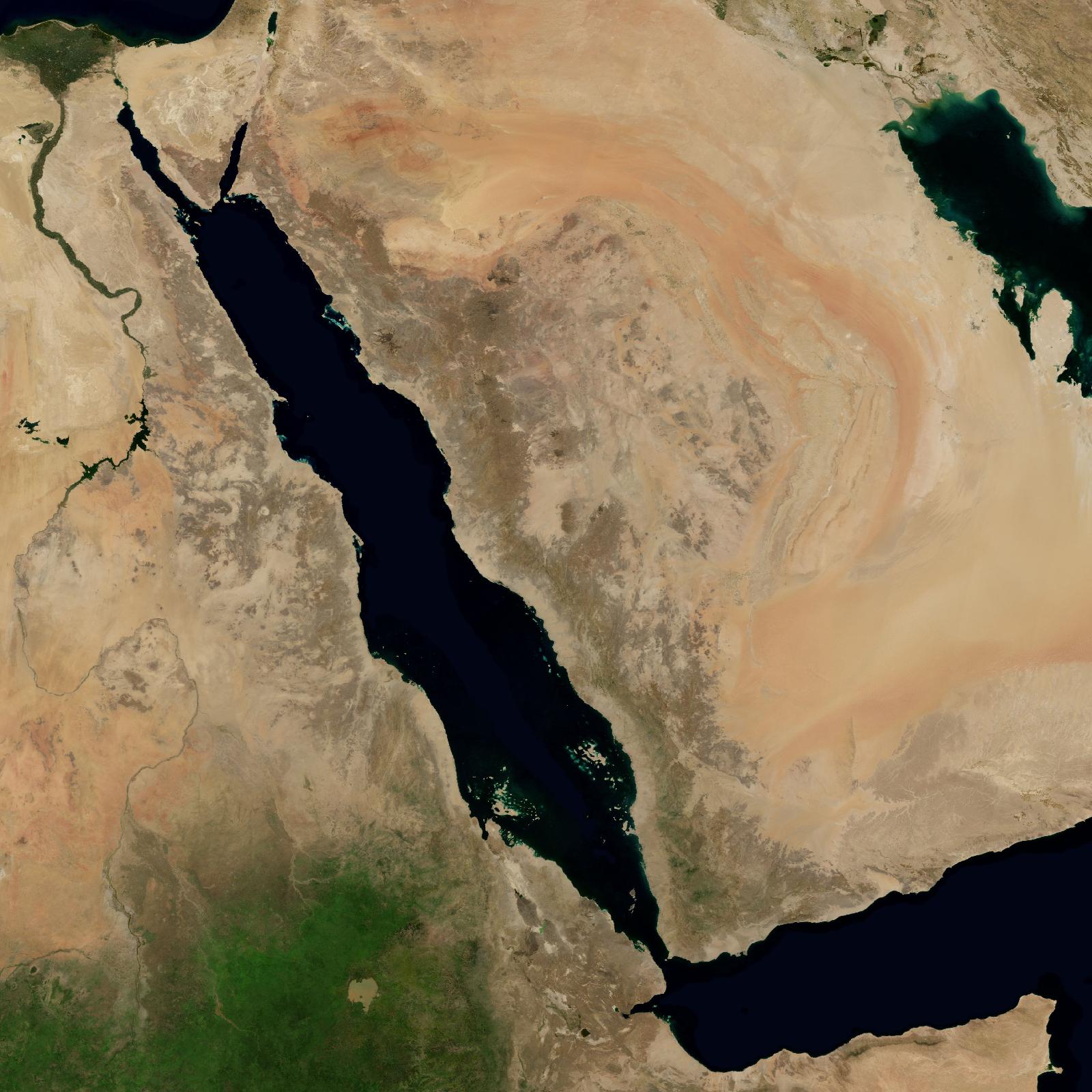
Maritime
Ships that go dark, meet and loiter.
Cyber · live hijacks
Every hijacked route, traced to its origin.
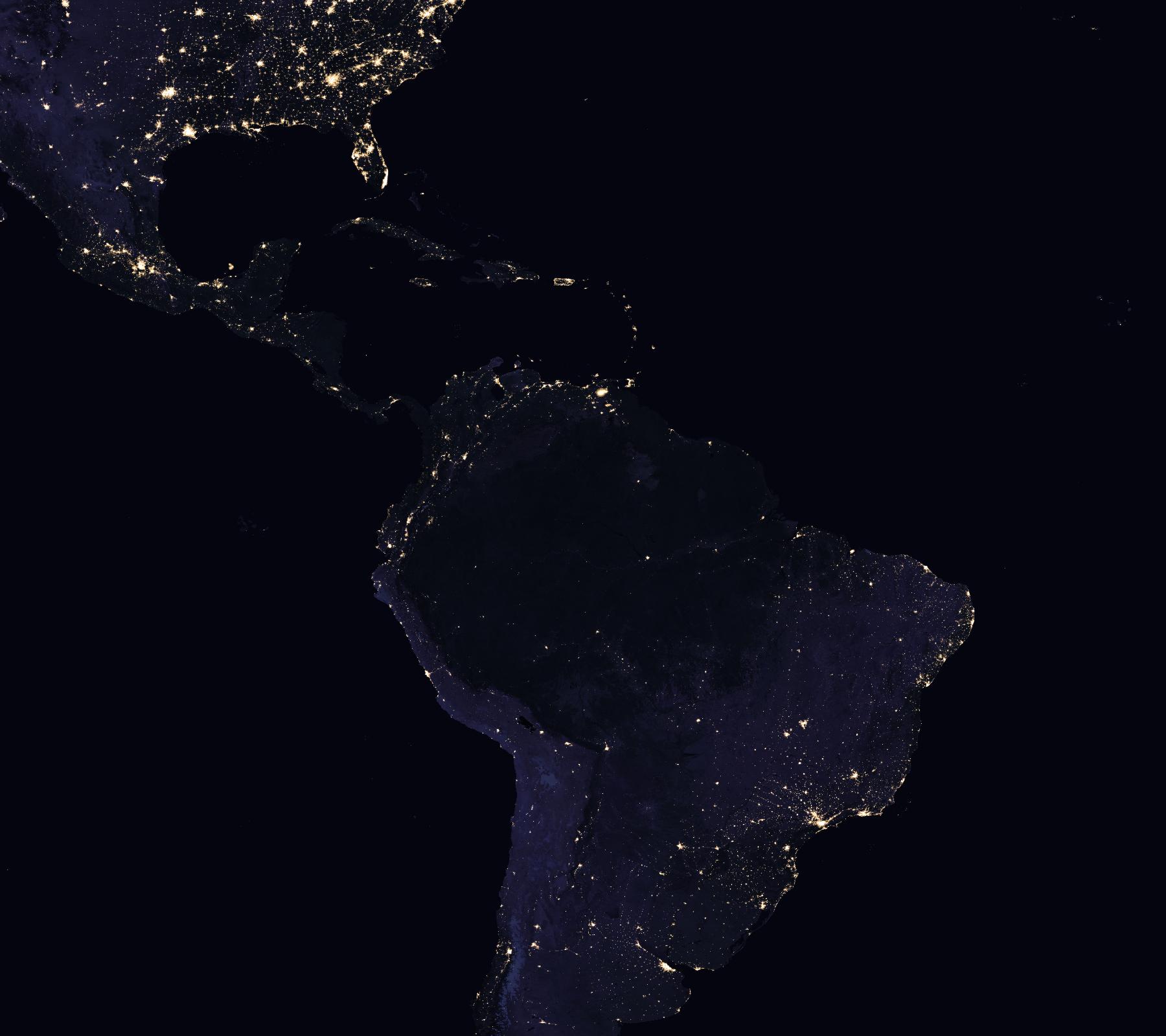
Infrastructure
Blackouts and leaks, before the headlines.
00 · Evidence graph
Every finding
is connected.
Companies, domains, repos, markets, stories and topics share one local graph. This is the newest slice of it from this install. Hover a node to read it; oculon connect A to B walks it for you.
00 · Forecasts with proofs
Predictions you
cannot quietly edit.
Raven writes forecasts against live prediction markets. Tortoise hashes each one into a Merkle tree and timestamps the root on Bitcoin through OpenTimestamps, so the record of what it said, and when, can be checked by anyone.
06 · How it works
Sources in.
Evidence out.
Every answer travels the same four steps, so every answer can show where it came from and how fresh it is.
01
Fetch
Public APIs over plain HTTP with a local cache and a daily budget per source. When a budget is spent, the last cached answer is served and labelled.
02
Module
Each module parses, filters and scores what changed. Baselines come from earlier scans, so a surge is measured against its own history.
03
Graph
Signals, entities and links land in one local SQLite graph with their evidence and provenance, ready for connect A to B.
04
Surface
The same result object goes to the CLI, the SDK, the MCP server, this web app and the Telegram bot.
07 · Surfaces
Same answer,
wherever you work.
The verdict you saw in the terminal is the same object your code receives, your agent calls and your phone gets pinged about. One engine, no second copy of the logic.
import { Oculon } from 'oculon';

const o = new Oculon();
const r = await o.cve('CVE-2026-40217');

r.result.cvss      // score, severity, vector
r.result.kev       // exploited in the wild?
r.provenance       // every source used
// any MCP client, stdio: oculon mcp
{
  "tool": "oculon_cve",
  "arguments": {
    "id": "CVE-2026-40217"
  }
}
// also oculon_bgp, oculon_darkships, oculon_ask …
00 · Who it is for
One engine,
four desks.
The same install serves very different jobs. These are the commands each desk tends to live in.
01
Security teams
Know which exploited CVEs touch your servers, which routes were hijacked overnight and what a domain leaves open.
vulnscveexposurebgpblackoutpkg
02
Infrastructure and operations
See cloud incidents, internet shutdowns, disaster alerts and aircraft in distress as they happen, with the source of each.
cloudblackouthazardssquawkfiresdarkships
03
Newsrooms and researchers
Open a case with sourced findings, rewind to what was visible on a given day and spot sources that contradict each other.
case newrewindcontradictionsnarrativespodcastconnect
04
Markets and companies
Track filings, catalysts and company health, and compare prediction markets that price the same question.
calendaredgarfilingshealthmarketslaunches
08 · Sources
50+ public sources.
Named on every answer.
Satellites, registries, exchanges, transponders, explorers and newsrooms. The list below is read from this install's own documentation.
09 · Free tiers
Free tiers,
kept free.
Each source gets a daily budget below its free limit. These bars are today's real usage on this install.
Route leaks · AS path by country · live
10 · Autonomy
An analyst that never sleeps.
A shared scheduler re-checks the radar, watchlist and geofences on an interval and stays quiet unless something moved. A daily budget per source keeps every free tier free.
Runtime dependencies0
Modules—
Version—
LicenceMIT
00 · Questions
Before you
install.
Short answers. The documentation has the long ones.
Does it cost anything?
No. Oculon is MIT licensed. About 20 sources work with no key, and the rest use free tiers. A daily budget per source keeps usage inside those free limits.
Where does my data go?
Into a local SQLite file in ~/.oculon. Nothing is sent to the authors; there is no telemetry. Queries go only to the sources a command needs. See Privacy.
What do I need to run it?
Node.js 22.13 or newer. npm i -g oculon, then oculon tour shows what your install can already do.
Can my AI agent use it?
Yes. oculon mcp starts an MCP server on stdio with 71 tools, and the TypeScript SDK returns the same result objects as the CLI.
Which sources need a key?
About 20 work with none. oculon doctor lists which optional keys are set and what each one switches on.
Are the scores predictions?
No. A score says how unusual something is across independent sources, and every signal lists the evidence behind it so you can judge it.